
Author: Claus Müller
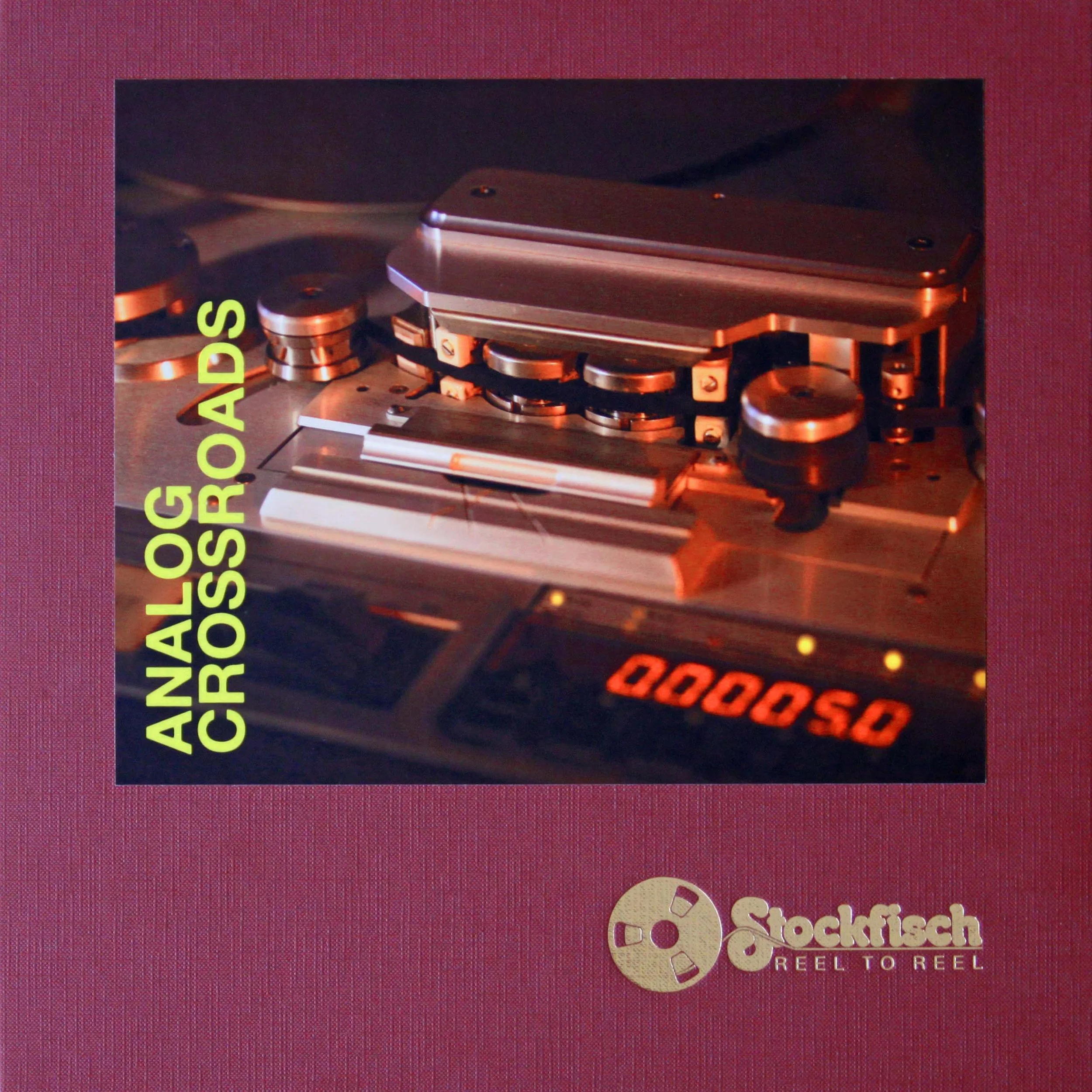
It’s a sensation: Günter Pauler, founder of the Stockfisch label, is releasing his analog recordings from 1974 to 1984 as first-generation master tape copies. The compilation Analog Crossroads offers an overview with a focus on independent artists of that era. The master tapes are transferred using the same machines that were used to record them back then. Find out all the details firsthand in this interview:
Claus Müller: Mr. Pauler, when and how did your passion for sound recordings begin?
Günter Pauler: That was over 50 years ago. My first recording was with Werner Lämmerhirt. From very early on, I was interested in recording guitar music and vocals. Back then, I had built amplifiers for musicians that they could take on stage with them, for example for Reinhard Mey. They had microphone and guitar inputs. During that time, I discovered a love for this music that has stayed with me to this day. I asked the musicians if they wanted recordings.
Claus Müller: So, you founded a recording studio?
Günter Pauler: I had a hi-fi studio in Braunschweig. That’s how it all started. Then I founded the Stockfisch label. I wanted a recording studio - a space for my recordings. A friend of mine knew about a house in Northeim that had been vacant for seven years and was slated for demolition. It had only half a roof, no windows, and no doors left. We renovated it and moved in.
Claus Müller: Were you officially commissioned for the recordings?
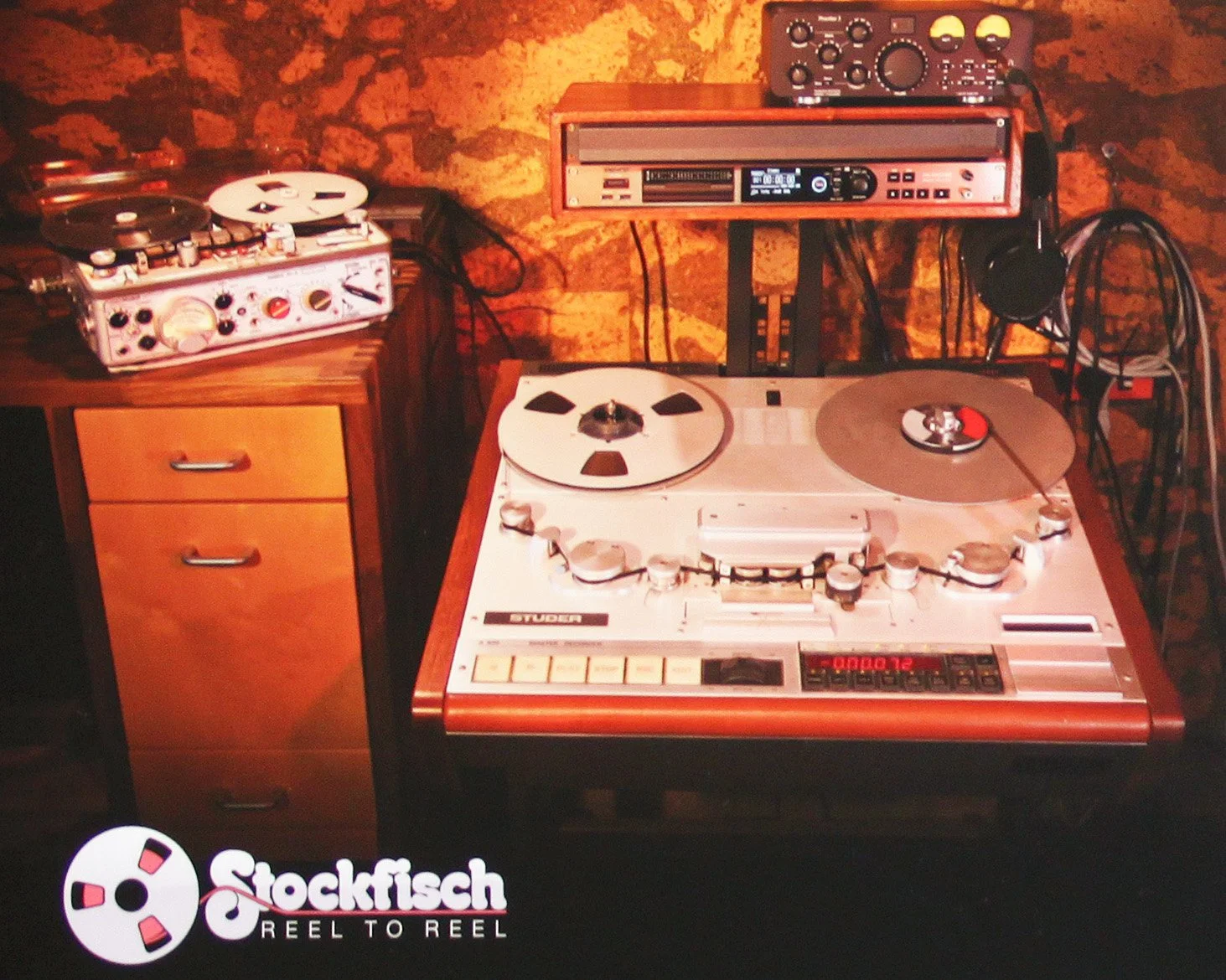
Günter Pauler: The radio stations at the time didn’t have any mobile recording equipment - neither for small nor for large rooms. I received commissions from Norddeutscher Rundfunk for national and international artists. Then I’d head out with my NAGRA IV-S and a compact analog mixing console and do the recording. The microphones were Sennheiser, MKH series. The recordings were purely acoustic.
Claus Müller: Singers with their guitars are a common feature in your work; they’re part of your trademark. Do you have a particular affinity for that?
Günter Pauler: It just turned out that way. It’s my taste, which many people share. That’s what I do best. I can’t record hip-hop or anything like that, nor have I ever had any desire to. It’s always been the same genre of music.
Claus Müller: You started out with tape recorders back then. Over the years, digital technology has become the norm. You’ve managed to maintain your sound design across all technologies. Have you always had the sound of tape in mind?
Günter Pauler: Good digital equipment sounds like analog. We can’t tell the difference with our ears. It always came down to the price range. My first digital system was from Sonic Solutions.
Claus Müller: You’d kept the tape recorders all these years. Did it take a lot of work to get them back in 100% working order?
Günter Pauler: No. They were regularly maintained and used from time to time.
Claus Müller: Were the original master tapes still in good enough condition to be used directly?
Günter Pauler: The tapes were protected from moisture and temperature fluctuations thanks to how we stored them. They are Agfa and BASF tapes. They’re in good condition.
Claus Müller: Do you create the master tape copies directly from the original tapes?
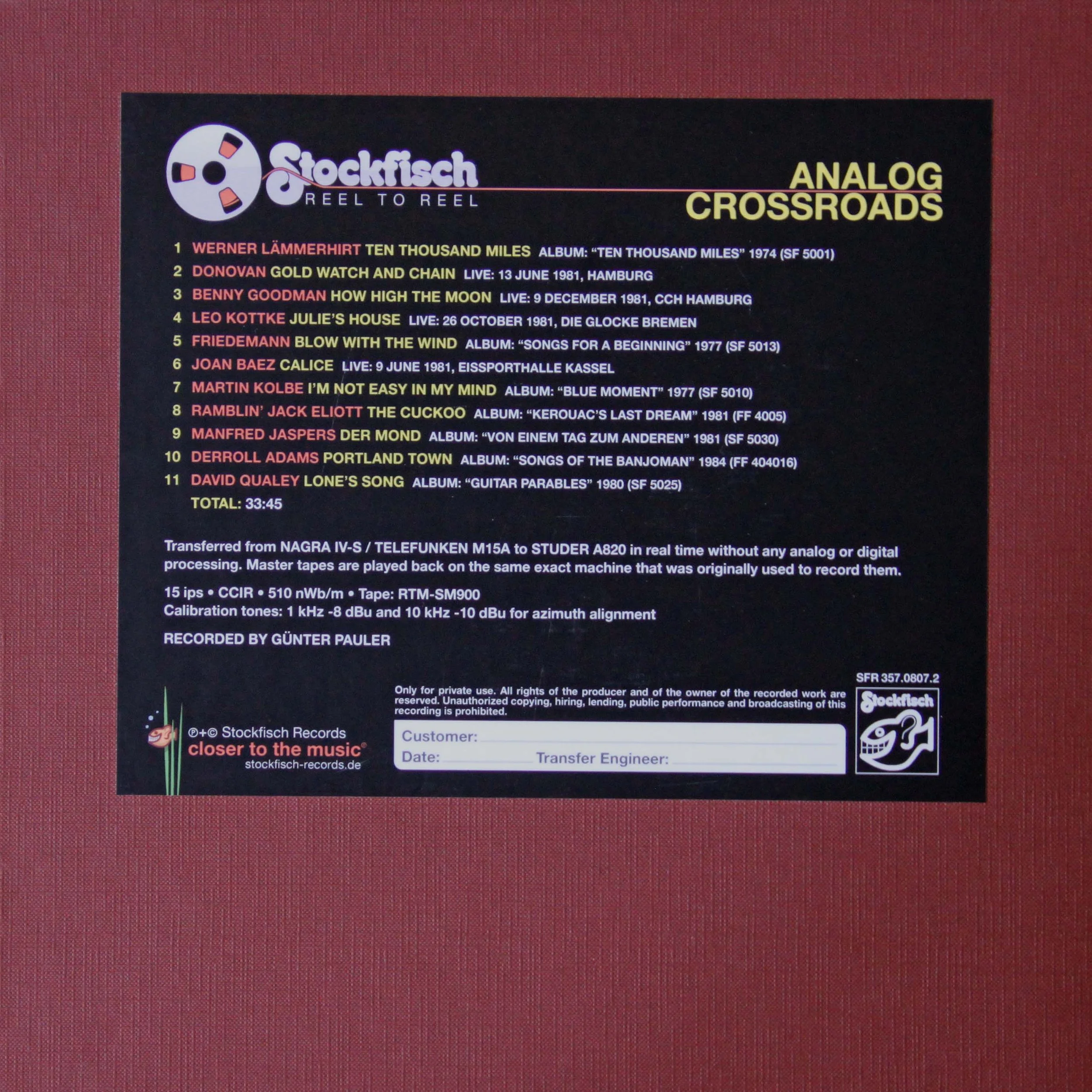
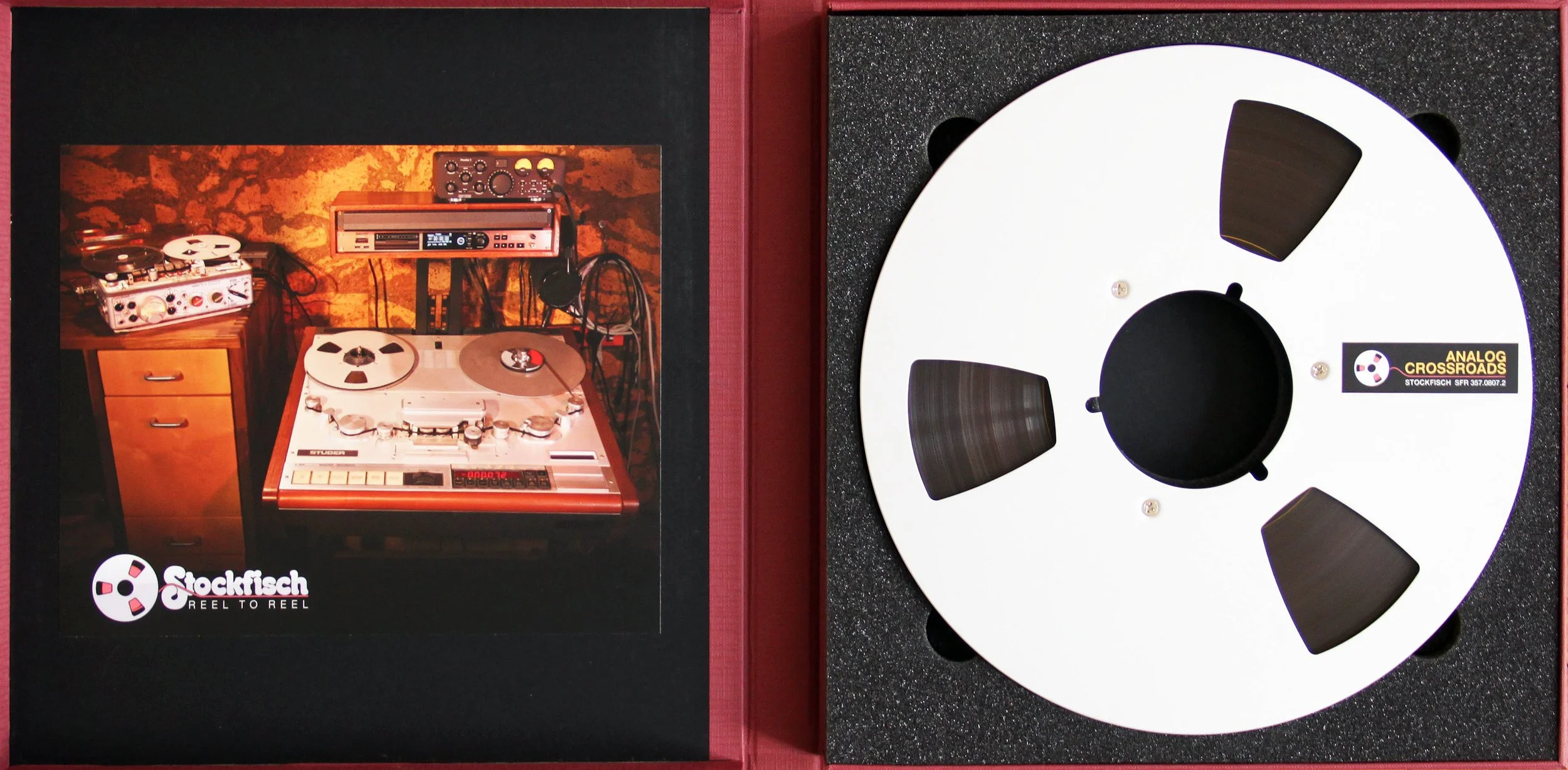
Günter Pauler: Our copies come directly from the original. The original tapes are loaded onto a NAGRA IV-S or Telefunken M15A and then copied onto a Studer A820. The tracks for Analog Crossroads were previously cut and glued together. As a customer, you receive a first-generation copy. This type of marketing is unique.
Claus Müller: Are your tape-related activities gaining broader recognition?
Günter Pauler: Our activities are gradually being promoted. Our main market for these tapes is the U.S., where we have a distributor.
Claus Müller: Thank you very much for the interview.
Seven studio and four live recordings made it onto this album, featuring mostly male and one female singer accompanied by their guitars. The lineup includes both big and lesser-known names. What they all have in common is their ability to take seemingly simple songs and elevate them to greatness through their vocal and guitar skills, as in the track 10,000 Miles by Werner Lämmerhirt, which features an impressive and wonderful chord progression. Donovan brings Gold Watch And Chain into a magnificent overall flow. Although Leo Kottke doesn’t even really let loose on the 12-string guitar in Julie’s House, his great potential shines through. The only woman on this compilation is Joan Baez, who can be heard on the beautifully flowing song Calice. The sound quality of the recordings plays a major role in the exclusivity of this compilation. For example, in addition to Friedemann’s very expressively sung and played song Blow With The Wind, the flutes were beautifully captured. Benny Goodman delivers a jazz track with How High The Moon that swings masterfully thanks to superbly defined bass, good clarity, and high resolution. The microphones were positioned very close to the action. This is a major advantage for the directness of the playback. It’s the sound design we’ve come to expect from Stockfisch Records: straightforward, clear, dynamic, and coming straight from the core. Günter Pauler at its best!
Translated from German with DeepL.com (free version)
Stockfisch – ANALOG CROSSROADS
Publisher: Stockfisch
Playing time: 34 min
Specifications: half track ¼", stereo, RTM SM 900, 510 nWb/m, CCIR
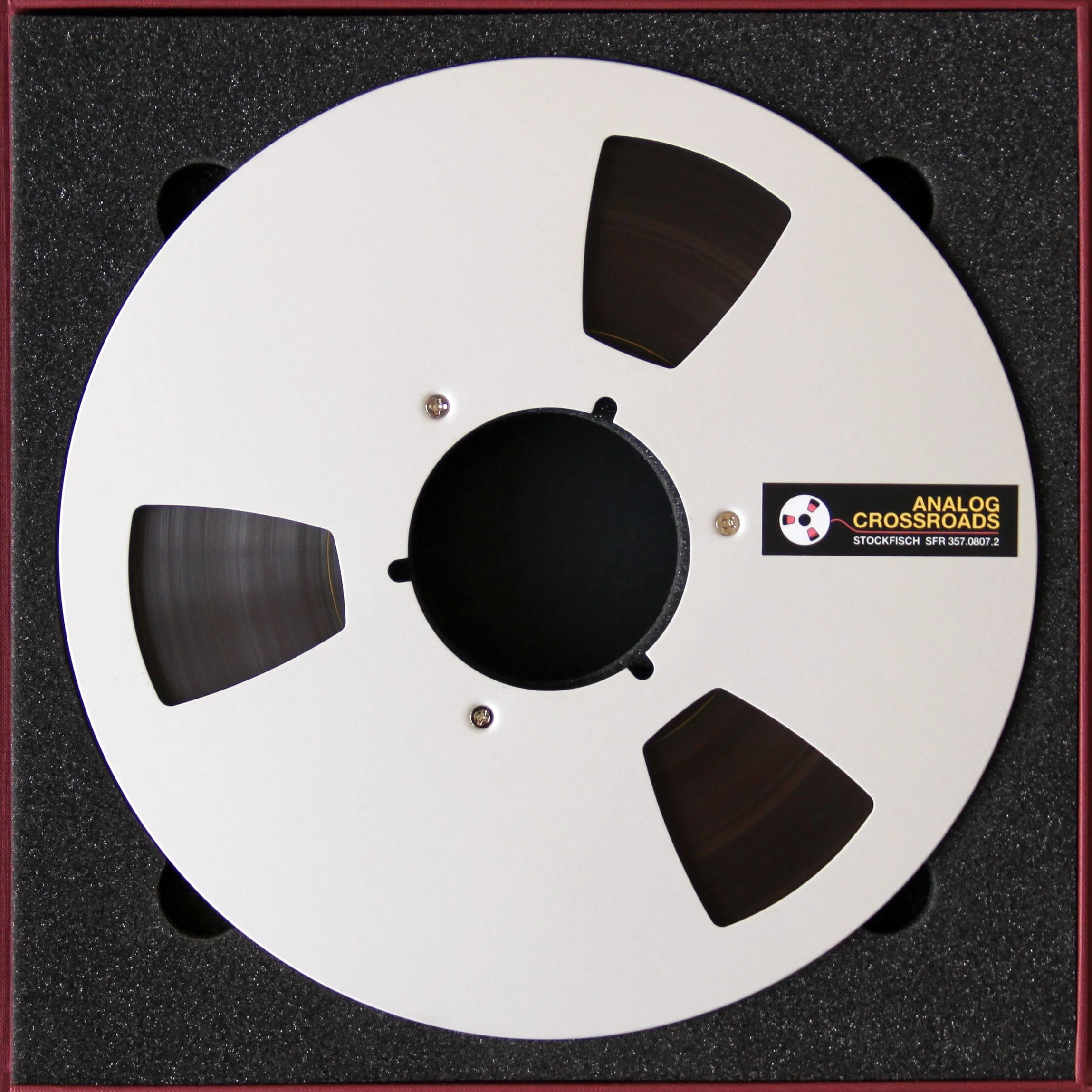
Reel(s): 1 standard metal reel, with stickers
Packaging: 1 special cardboard box, with stickers, with spine labeling
Inserts: 1 information sticker on cardboard box
Homepage: https://sfrshop.de/

The entire content and the individual elements of the web page are the intellectual property of Claus Müller and are subject to copyright protection. They may not be copied or imitated in whole or in part by the user; this applies to texts, logos and image components. Any modification, duplication, distribution or reproduction of the website or parts thereof, in any form whatsoever, is not permitted without the prior written consent of Claus Müller.
Der gesamte Inhalt und die einzelnen Elemente dieser Webseite sind geistiges Eigentum von Claus Müller und unterliegen dem Schutz des Urheberrechts. Sie dürfen vom Nutzer weder kopiert noch im Ganzen oder in Teilen imitiert werden; dies gilt insbesondere für Texte, Logos und Bildbestandteile. Jegliche Veränderung, Vervielfältigung, Verbreitung oder Wiedergabe der Webseite sowie Teilen hiervon, gleich welcher Art, ist ohne vorherige schriftliche Zustimmung von Claus Müller nicht zulässig.