
Author: Claus Müller
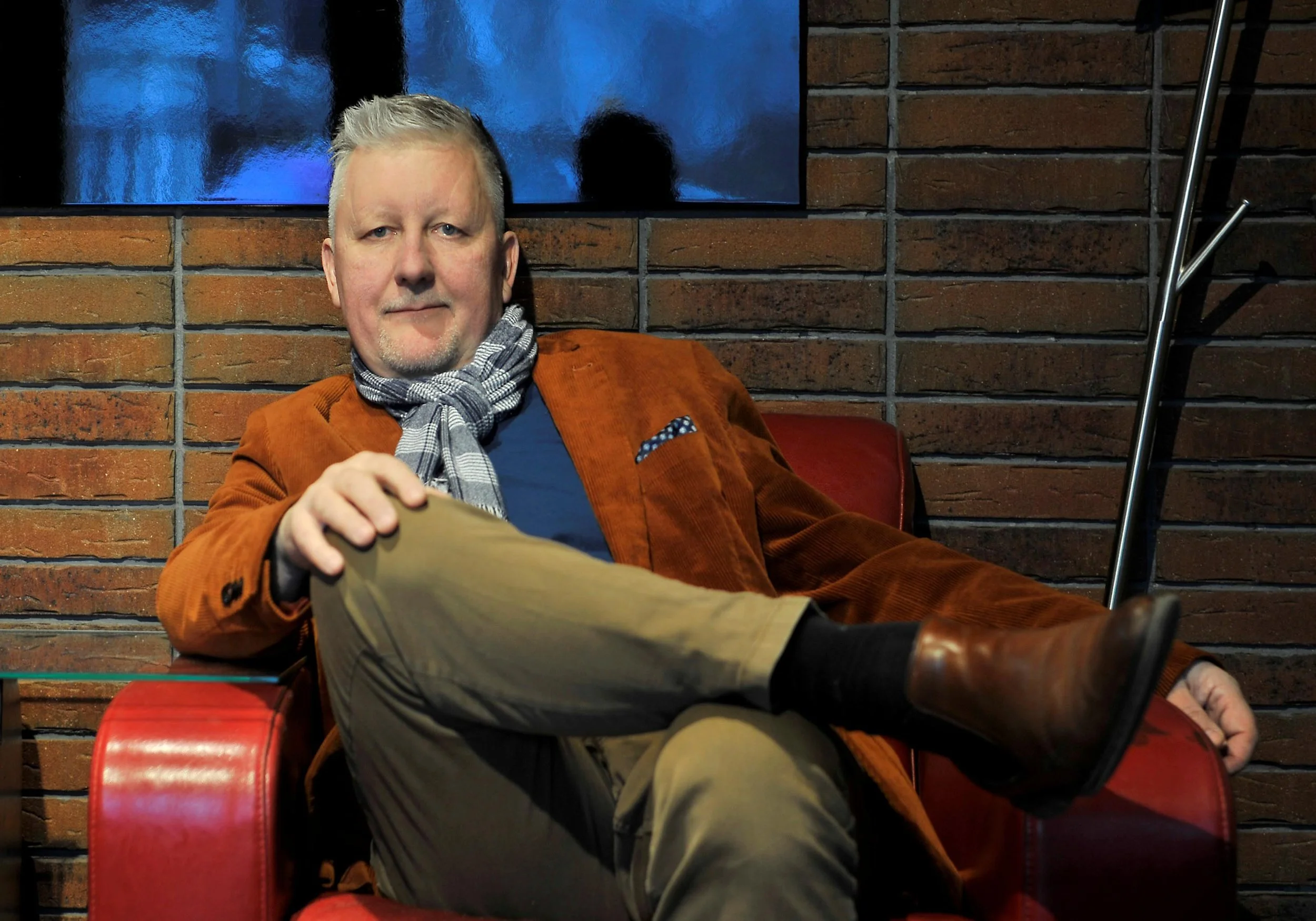
“I love jazz, perfect music production, and vinyl. That’s why AC Records is my dream come true,” reads the homepage of drummer, composer, arranger, producer, and label owner Adam Czerwiński (AC). Throughout his career, this leading drummer on the Polish jazz scene has accompanied many great musicians from around the world: John Scofield, Art Farmer, Lee Konitz, John Abercrombie, Garry Bartz, Eddie Henderson, Larry Koonze, Harvie Swartz, Cameron Brown, Jean-Paul Bourelli, Bennie Wallace, Hamiet Bluiette, James Newton, John Scofield, and Robert Plant. For more than 20 years, he was part of the musical journey of the late jazz guitarist Jarek Śmietana. Adam expanded his experience through his collaboration with the renowned violinist Nigel Kennedy. As a composer and arranger, he leads his own bands, works as a jazz educator, and offers jazz workshops. Adam is the founder and co-organizer of Jazz w Lesie (Jazz in the Forest), one of the most important jazz festivals in Poland. Since the first event in 1995, local and international artists have performed there. In 2018, Adam began producing records. His label, AC Records, is known for analog recordings and first-class high-end releases.
In an interview, I had the opportunity to ask Adam Czerwiński questions about his work, his background, and his band.
Claus: The albums in your online shop are a mix of your own projects, big names from the jazz scene, and classical music. Can you please explain how this compilation came about?
Adam: The AC Records project is a mix of various musical genres, based on my 40 years of experience as a drummer, composer, bandleader, and producer. There are older recordings that I made with various musicians and remastered for vinyl releases. Some recordings are new, recorded on 24-track tape and produced entirely analog. These are my own ideas, like Bach or Grooveoberek. There are also a few live recordings from jazz festivals, such as McCoy Tyner and Lester Bowie. I want to be flexible and open-minded. You know, there are only two kinds of music: good and bad…
Claus: The names of the musicians are listed for your own projects. Is your work more project-based?
Adam: I have my own band, a trio with guitar and Hammond organ. I also do a lot of special projects with some big names.
Claus: How long have you been together in your current lineup? How did you become a band?
Adam: For more than 25 years, I was part of the Jarek Śmietana Band. He was a famous Polish guitarist who, sadly, passed away in 2013. Since then, I’ve been building my career as a bandleader. My main partner now is Marcin Wądołowski, also a guitarist, who you can find in several of my projects.
Claus: Do your band members have a classical music background?
Adam: Yes, we all have a classical background. Marcin Wądołowski was a well-known classical guitarist with several achievements to his credit. Then he turned to jazz and rock. Kajetan Galan, the best Polish organist, is a graduate of the jazz department at the University of Katowice and teaches in Krakow in addition to his performances.
Claus: I can recognize jazz as a central component of your music. Added to that are elements from other genres. How do you structure your songs, and how do they come about?
Adam: That’s an interesting question. I love jazz, and that’s my foundation. But as I said, I’m open to all kinds of music. To be honest, the older I get, the less jazz I listen to. The album Song for My Mother is a good example. More country and songs, not too much jazz. Of course, the reality is that everything I play ends up being connected to jazz in some way.
Claus: You tour a lot. Could you please tell us a bit about that and name a few highlights?
Adam: There were so many great concerts at amazing venues with fantastic musicians: Art Farmer, John Scofield, Larry Goldings, Jerry Goodman, and many more. I’ve also played with Nigel Kennedy in his projects, including Vivaldi’s Four Seasons with famous orchestras. To name one specific performance: with Robert Plant at the Royal Albert Hall.
Claus: You produce very high-quality standards and place great importance on the product that reaches the end customer. How did you come to adopt these standards?
Adam: When I first had the idea to start a record label, quality was my top priority. Whenever I play music, I play as if the world were ending tomorrow. The same goes for recording and releasing LPs. I don’t compromise. Every step - from recording, mastering, and cutting to cover design and pressing - must be done in the best possible way. Of course, I only had rudimentary knowledge of vinyl production at the beginning, and even after all these years, I’m still learning a lot. There will always be something I can do better. And I will.
Claus: What distribution networks do you have for your master tape copies?
Adam: As far as distributing the master tape copies goes, I have the German Analogue Audio Association and The Sound of Tape in London. To be honest, most sales go through my shop or private orders. My tapes are produced at Custom 34 Studio by a professional sound engineer on calibrated tape machines. You probably know all about this business - there’s a lot of bullshit out there.
Claus: You’ve recorded both analog and digital. What criteria do you use to make that decision?
Adam: When we record, we always use a 24-track Studer recorder and Pro Tools simultaneously. That means I have high-quality files for streaming, etc., and a backup copy in case something goes wrong with the tape. It’s always good to have that. Adam Makowicz’s album Blue Sapphires was recorded directly onto a two-track tape recorder without any mixing or editing.
Claus: May I ask your opinion on the medium of tape? Is it the sonic aspects that motivate you to work with this medium?
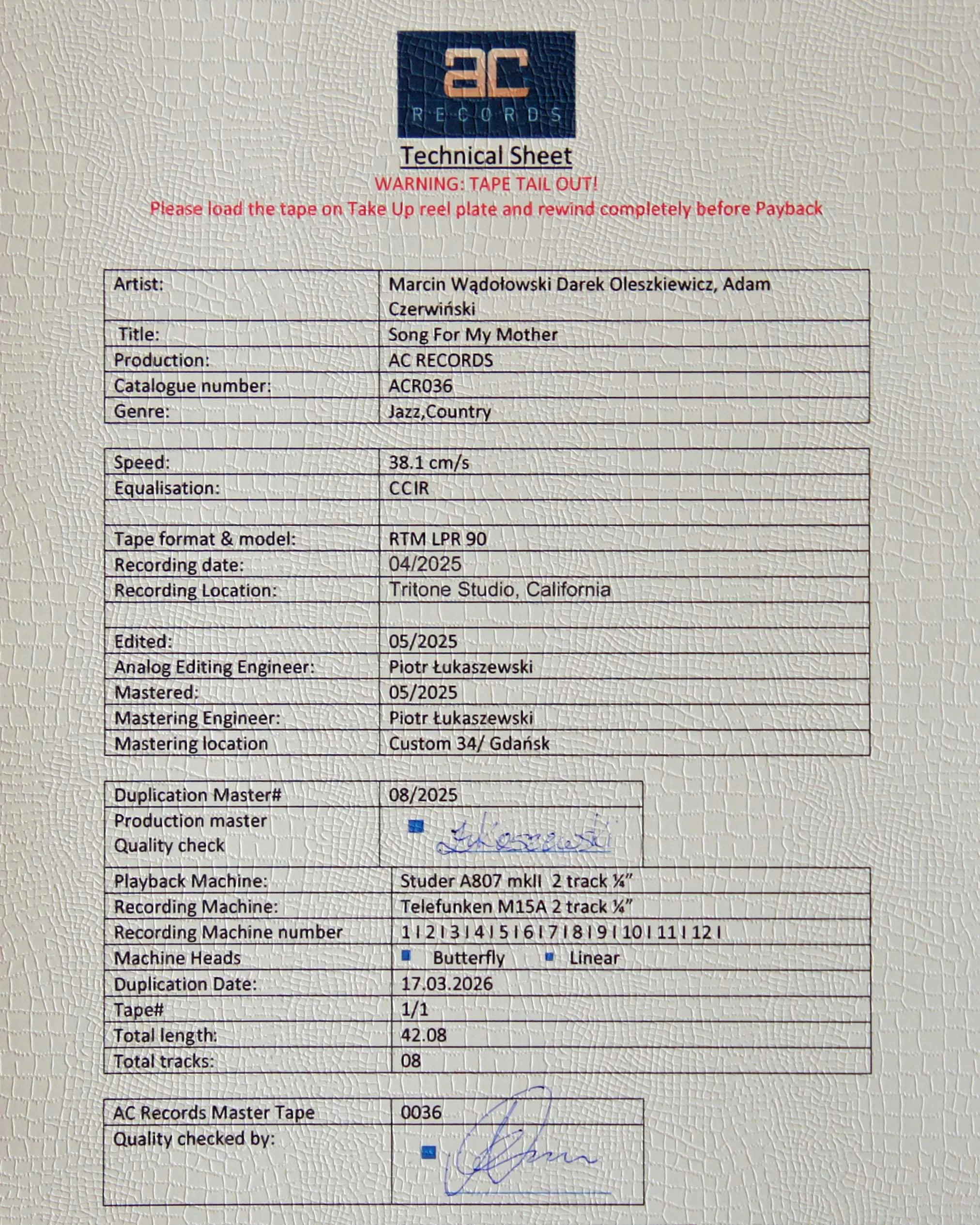
Adam: I use the RTM LPR 90 tape most often for duplicates. In my opinion, it is excellent quality and delivers the best sound. I think they must have made some adjustments at RTM, because these tapes have sounded spectacular for over a year now. The best in terms of sound is the RTM SM 900, which I use for 2HD releases.
Claus: Is there anything else you’d like to say in this interview?
Adam: I wish all listeners wonderful moments with their favorite music!
Claus: Thank you very much for this interview.
Review:
Everything about the album Song for My Mother is done right: from the music itself, through the recording, mixing, and mastering, to the master tape copy and the wooden packaging with its informational inserts. In addition to its musical merits, the album also boasts top-notch sound quality. The bass is crystal clear. The highs and the midrange are of captivating quality. It’s a pleasure to turn up the volume and hear the instruments at their original levels. On RTM LPR 90, the level does not exceed 510 nWb/m: the best compromise for distortion-free listening with an excellent signal-to-noise ratio.
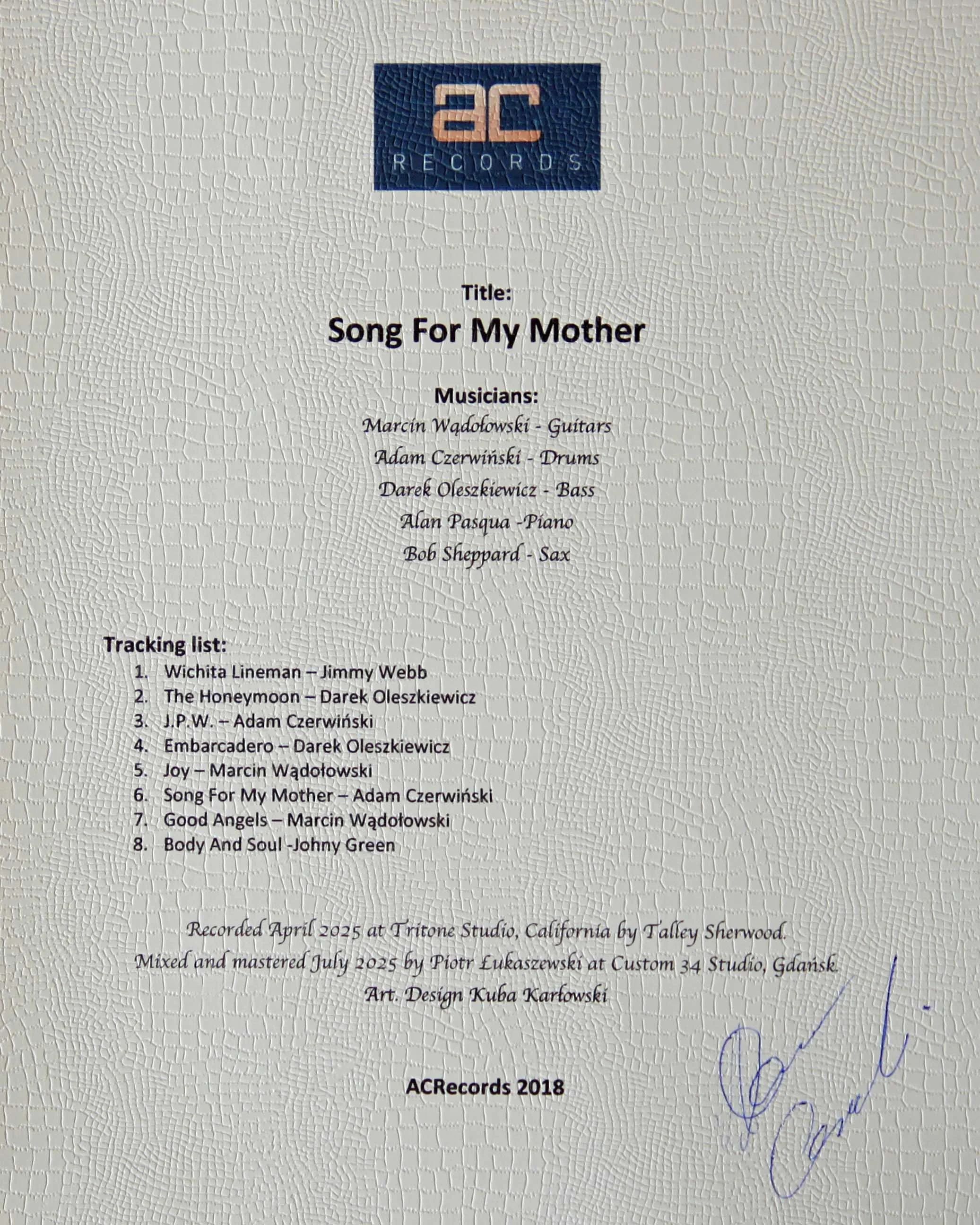
The song Wichita Lineman is characterized by lightness and offers a perfect introduction to the album. In an extended solo right at the beginning, it becomes clear just how well the bass was recorded. This fact alone gives me great pleasure while listening. The Honeymoon is a lively jazz track with driving drums and some brisk solos: piano, saxophone, guitar, and then the bass, together with the drums. This track is my first favorite on the album. J.P.W. captivates with a slow and distinctive playing style. The end features a beautiful musical climax. The piece is played in a very relaxed manner and invites you to dream. Embarcadero, my second favorite on the album, brings a touch of Spanish tradition but essentially stays within the jazz genre, unfolding playfully between the bass, drums, and guitar. Joy starts with guitar sounds and then transitions into a mid-tempo piece. The guitar remains the dominant solo instrument. The title track, Song for My Mother, gradually shifts toward a jazzier sound and radiates deeply connecting and personal. Good Angels is a very rhythmic song that finally wins my heart. And once again, the solos are wonderfully integrated into the musical flow. Body And Soul close out the album with contemplative tones and high intensity. The instruments float above the gentle drumming.
This is accessible jazz with a touch of traditional in some tracks. The musicians have achieved an excellent mix of slow, mid-tempo, and up-tempo numbers with a rhythmically engaging style. The recording is lively and highly professional. It’s refreshing that six of the eight songs are original compositions. So, no recycling where I know the original and would constantly have a comparison in my head. That opens new doors and is fun. Great work! My highest regards!
Translated from German with DeepL.com (free version)
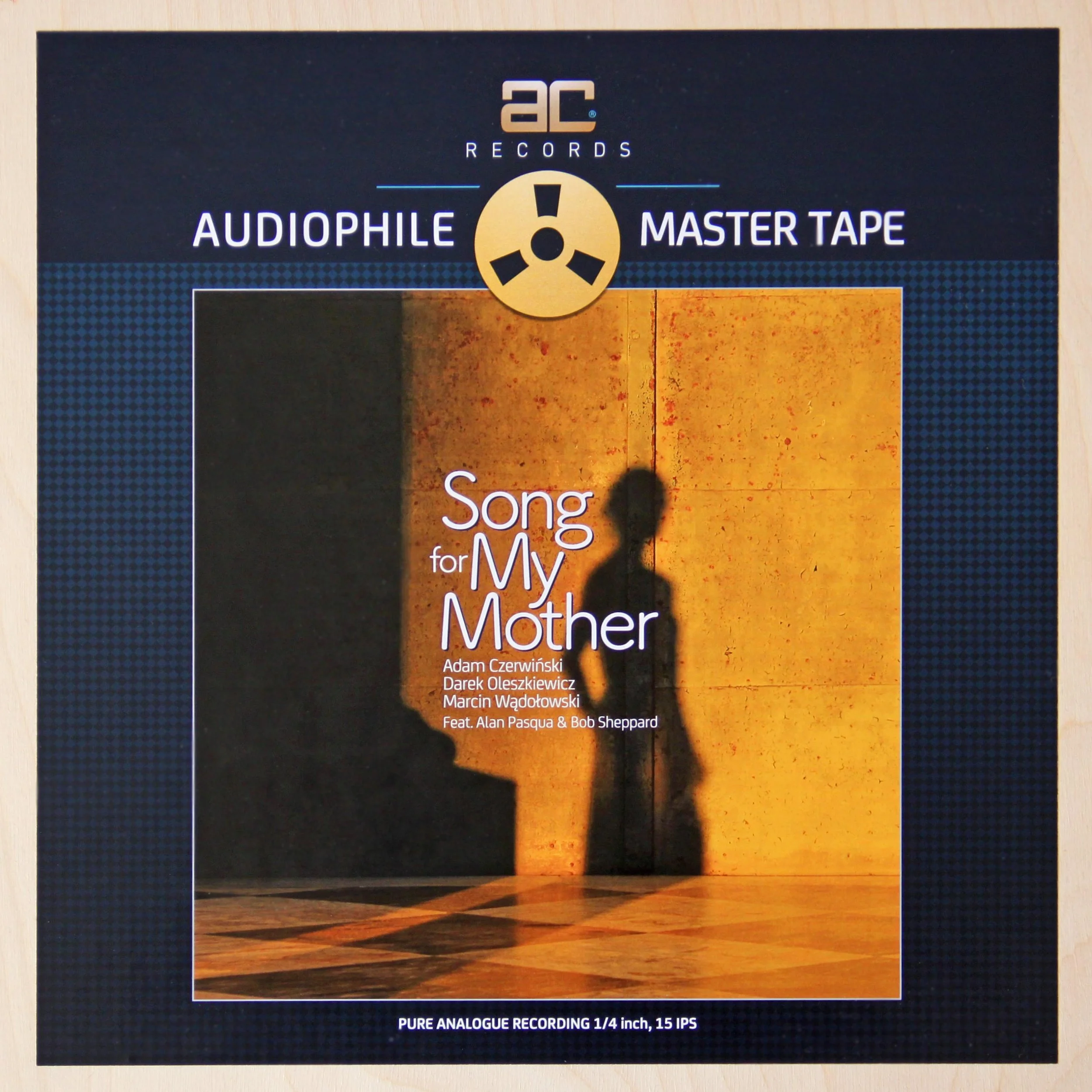
Adam Czerwiński, Darek Oleszkiewicz, Marcin Wądołowski
Feat: Alan Pasqua & Bob Sheppard
Song for My Mother
Publisher: AC Records
Playing time: 42 min
Specifications: half track ¼", stereo, RTM SM 911, 320 nWb/m, CCIR (NAB on request)
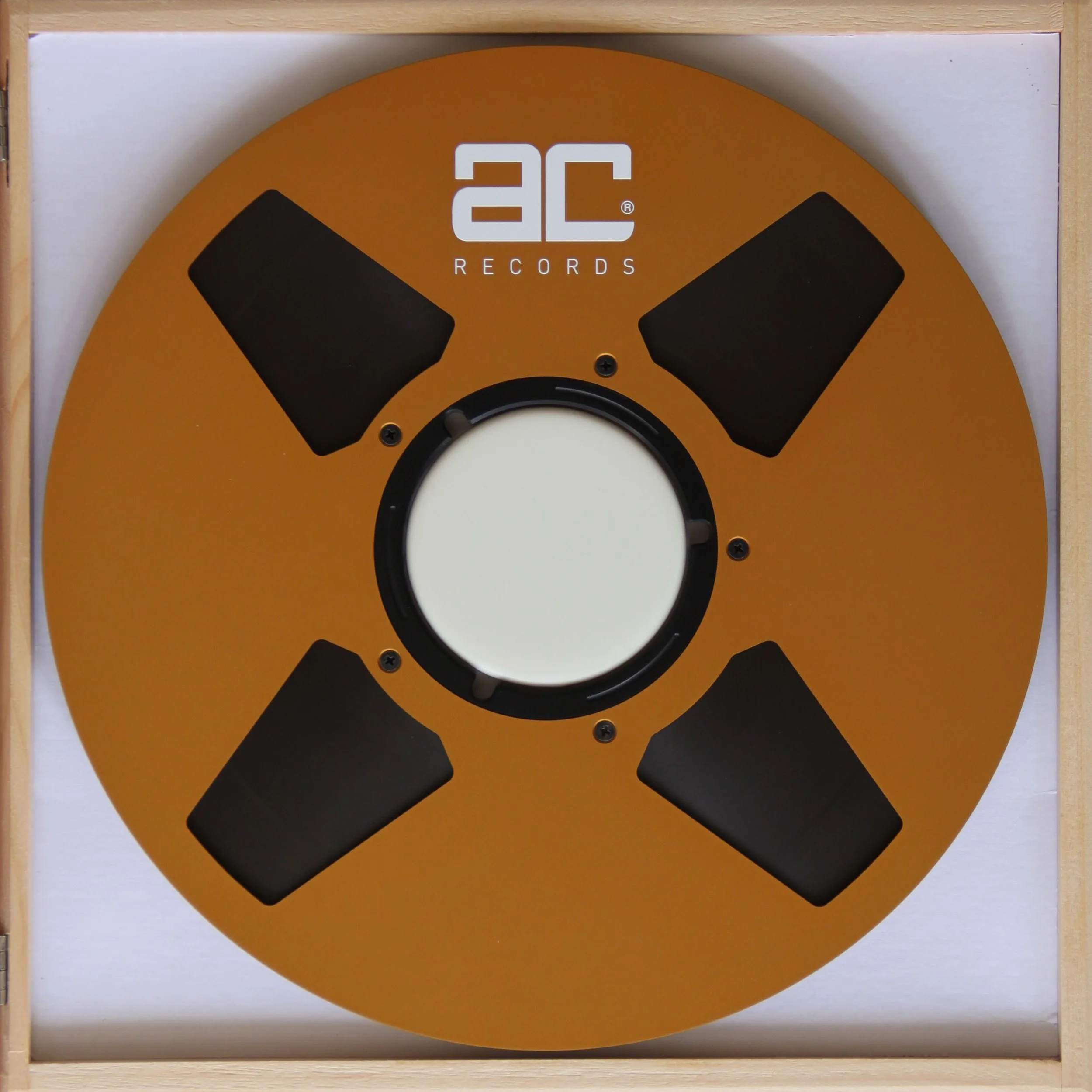
Reel(s): 1 precision aluminum reel
Packaging: 1 wood box, with sticker
Inserts: 2 insert sheets
Homepage: https://acrecords.pl/en/produkty/tapes/

The entire content and the individual elements of the web page are the intellectual property of Claus Müller and are subject to copyright protection. They may not be copied or imitated in whole or in part by the user; this applies to texts, logos and image components. Any modification, duplication, distribution or reproduction of the website or parts thereof, in any form whatsoever, is not permitted without the prior written consent of Claus Müller.
Der gesamte Inhalt und die einzelnen Elemente dieser Webseite sind geistiges Eigentum von Claus Müller und unterliegen dem Schutz des Urheberrechts. Sie dürfen vom Nutzer weder kopiert noch im Ganzen oder in Teilen imitiert werden; dies gilt insbesondere für Texte, Logos und Bildbestandteile. Jegliche Veränderung, Vervielfältigung, Verbreitung oder Wiedergabe der Webseite sowie Teilen hiervon, gleich welcher Art, ist ohne vorherige schriftliche Zustimmung von Claus Müller nicht zulässig.