
Author: Felix Hennevogl
Arthur Rubinstein: “I am the happiest person I have ever met.”
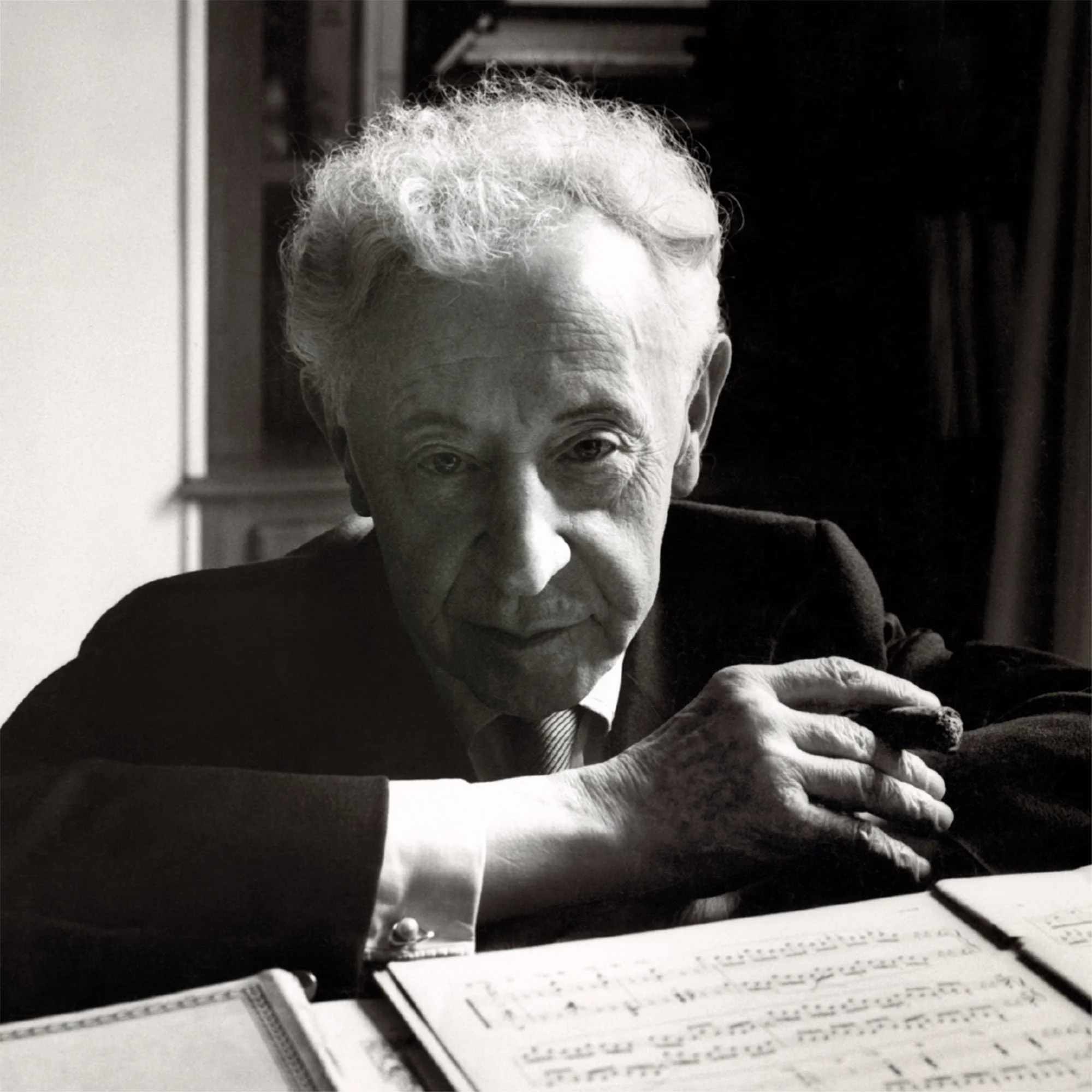
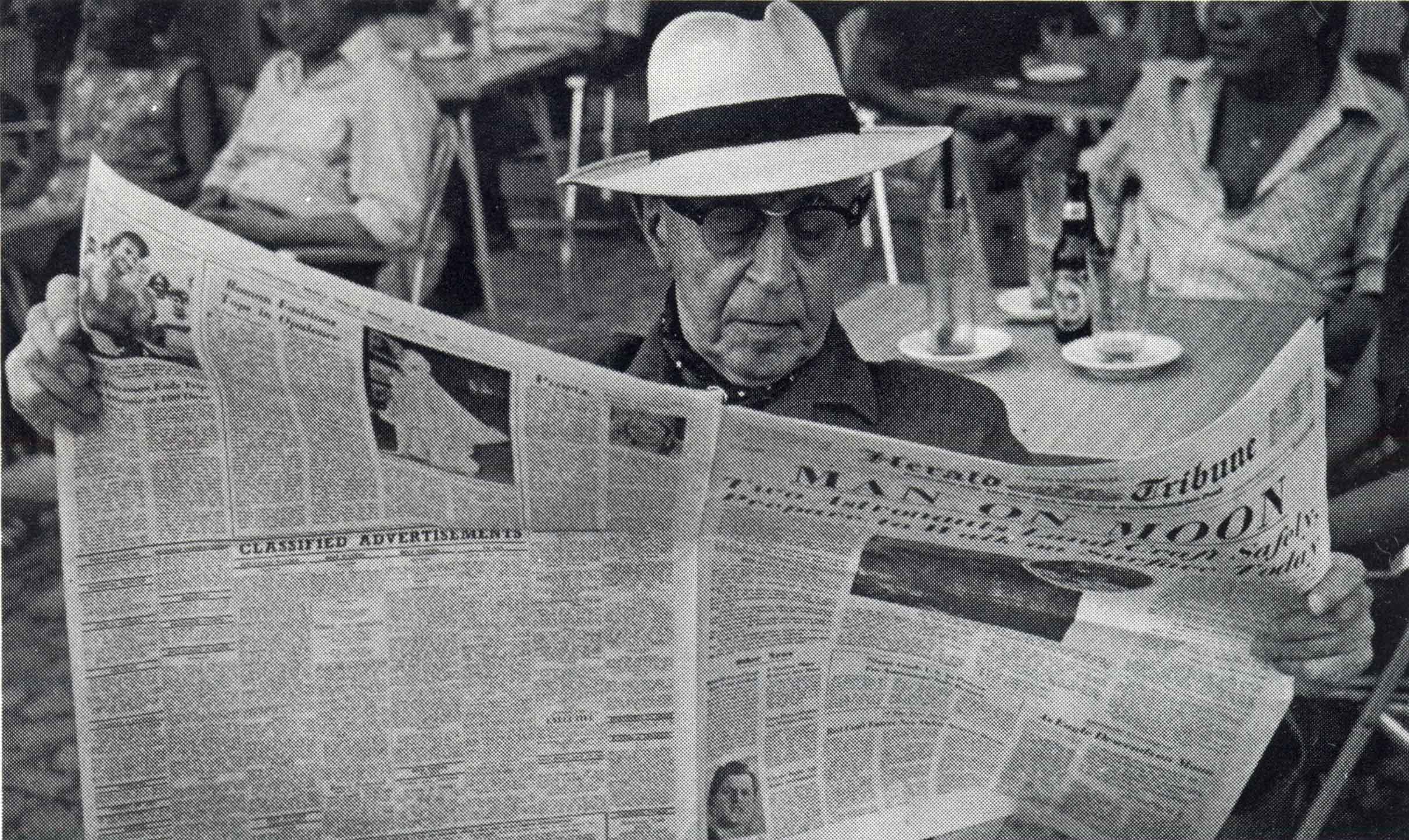
Arthur Rubinstein, born in 1887 in Łódź (Poland), belonged to the last generation of pianists who were still deeply rooted in Romanticism. An era musically shaped by composing virtuosos such as Paganini, Chopin, Rachmaninoff, Brahms, and Liszt, but also by great performers such as Kreisler, Paderewski, and Joachim. The violinist Joseph Joachim eventually became Rubinstein’s mentor: he brought the highly gifted ten-year-old to Berlin and had him trained by his pianist colleague Heinrich Barth. Joachim (1831–1907) was himself a close friend of Johannes Brahms (1833–1897)—a composer whom Rubinstein held in particularly high esteem throughout his life and whose works he interpreted with great distinction.
In 1904, the seventeen-year-old Rubinstein moved to Paris. There, supported by the aristocracy of the Parisian bohemian scene, he gained recognition in artistic circles. He achieved his first successes in Europe, particularly in England. He met numerous prominent musicians and composers, including Ravel, Stravinsky, Szymanowski, and Saint-Saëns, and later the French composers Dukas and Milhaud. During this time, he performed contemporary music extensively. He spent World War I in England and Spain. There he met Granados, Albéniz, and Villa-Lobos, whose music he included in his programs.
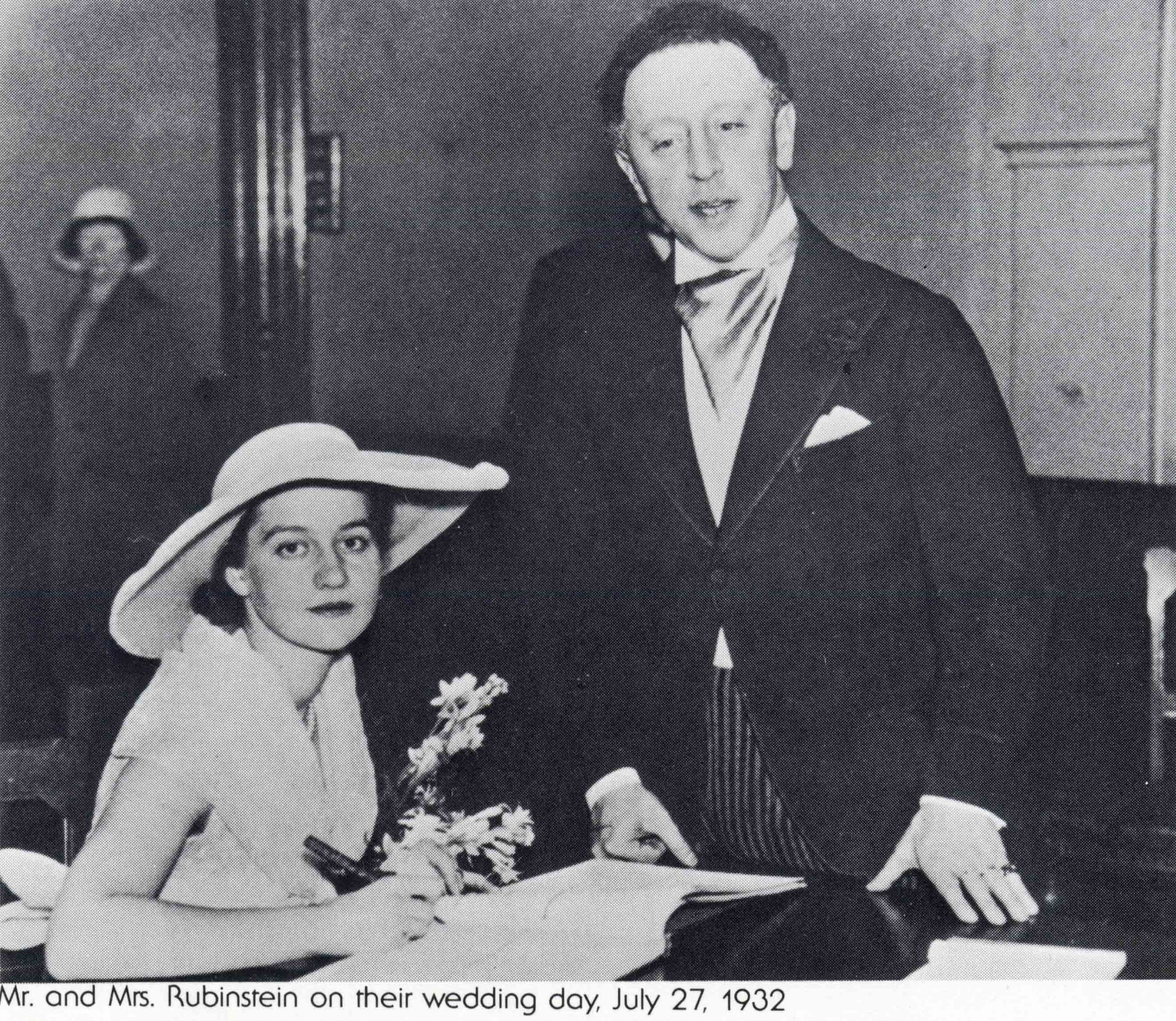
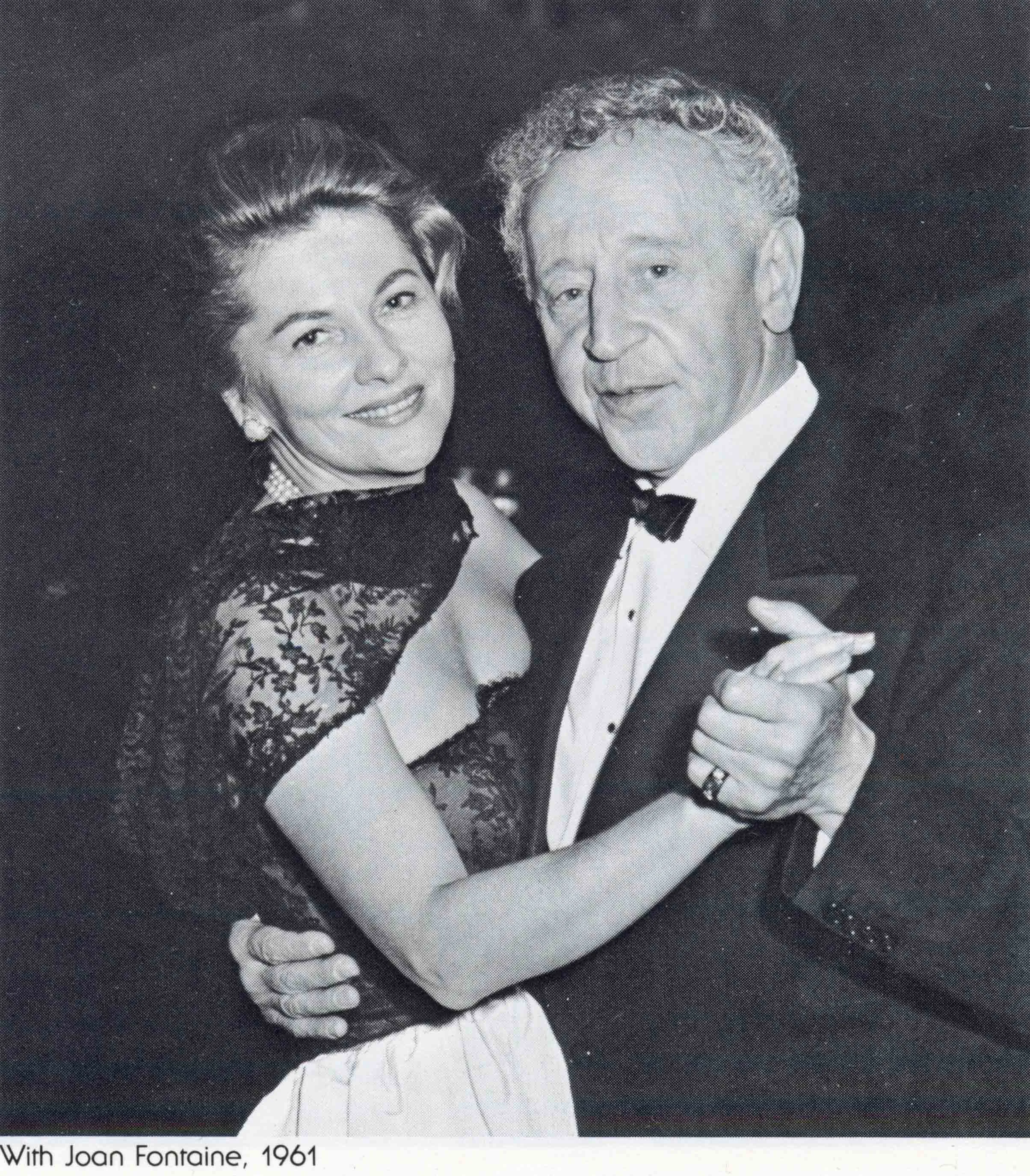
In the 1930s, Rubinstein made his breakthrough in America. In London, the His Masters Voice label organized his first studio recordings for shellac records, including the Chopin Nocturnes in 1936–37. The horrors of Nazism and the outbreak of war in 1939 forced Rubinstein, a Jew and now a family man, to flee to the United States. The family lived first in New York, later in Beverly Hills. Intellectuals and artists from Europe settled here. Thomas Mann, Albert Einstein, Aldous Huxley, Charlie Chaplin, Sergei Rachmaninoff, and Igor Stravinsky were part of his circle during this anxious time, caught between luxury and success in America and the terrible events unfolding in their old homeland. Some of his Polish relatives fell victim to the Nazis. Arthur Rubinstein never performed in Germany again.
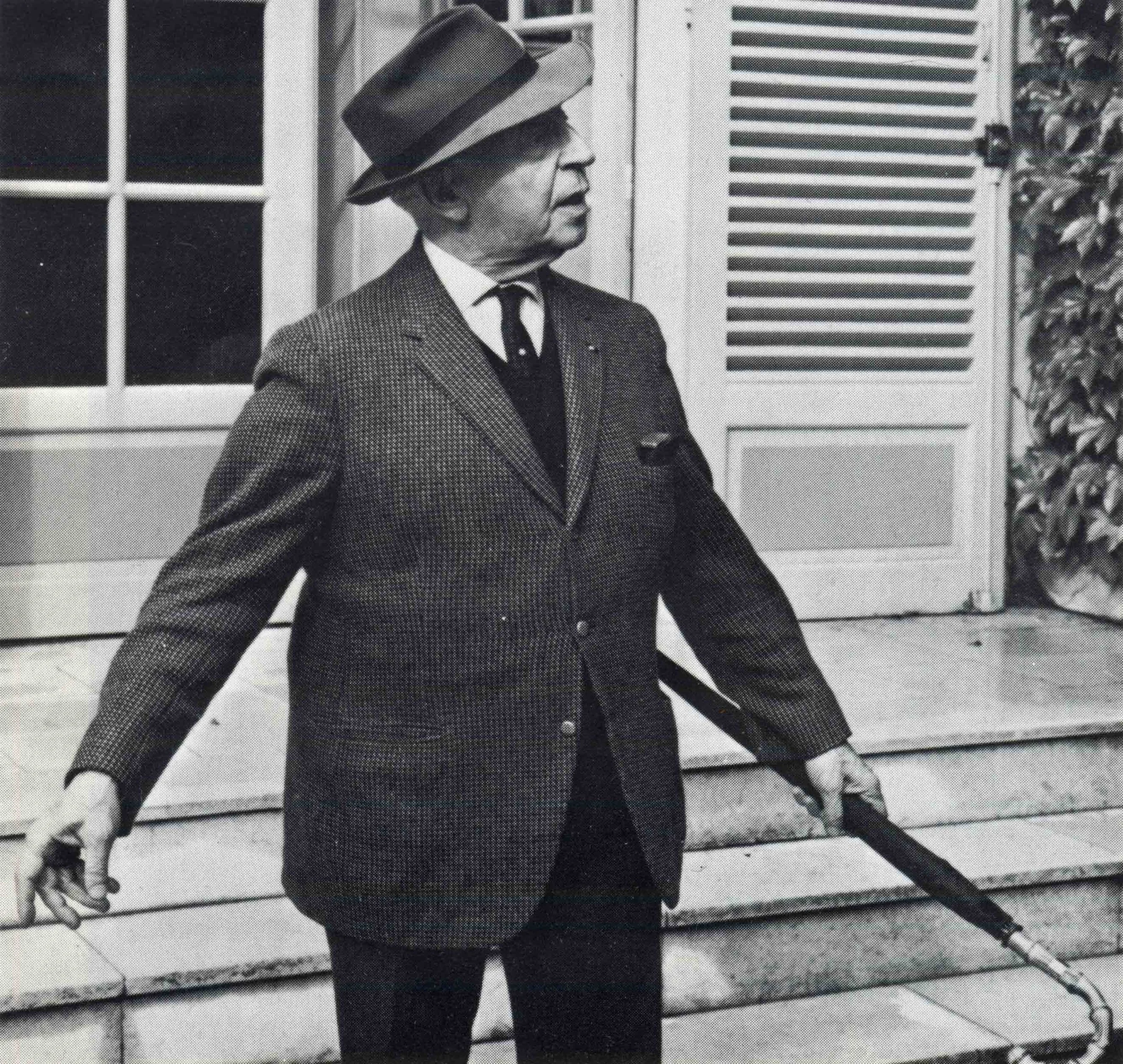
In the 1940s, alongside his career as a sought-after pianist, he began an extensive recording career for RCA Victor. At RCA Hollywood Studios, he recorded piano works for mono LP, including a second complete recording of Chopin’s Nocturnes in 1949. His first stereo production followed 1954 - Brahms’ Piano Concerto No. 1, conducted by Fritz Reiner. In 1947, Rubinstein returned to Europe for concerts for the first time, and from 1954 onward, his home in Paris was once again available to his family.
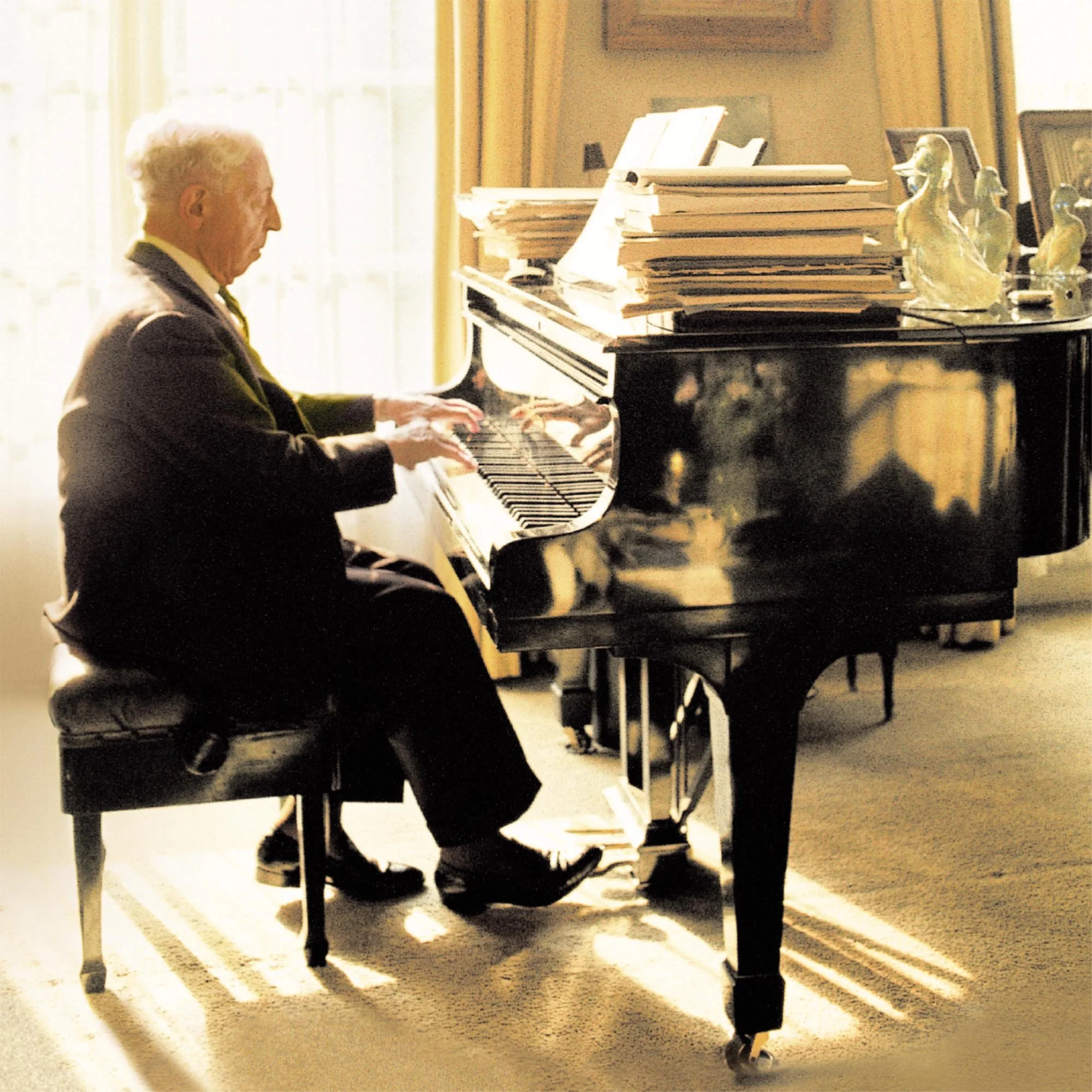
He remained associated with the RCA label throughout his life. Solo recordings, piano concertos, and chamber music with outstanding soloists of the time - Gregor Piatigorsky, Henryk Szeryng, Jascha Heifetz, and later the Guarneri Quartet - attest to his extraordinary artistry well into old age. Rubinstein’s discography is enormous. He left behind a legacy of over 200 recordings, which earned him worldwide recognition and countless awards. It is estimated that he gave over 6,000 concerts during his life. Arthur Rubinstein died in Geneva in 1982 at the age of 95.
Frédéric Chopin and the Nocturne
Following the evening serenades of the Classical period, such as Mozart’s “Eine kleine Nachtmusik”, the concept of the nocturne emerged during the Romantic era. Mendelssohn’s Nocturne in Sommernachtstraum or Debussy’s Nocturnes for orchestra lead through the Romantic era to Schoenberg’s Verklärter Nacht, Mahler’s Nachtmusik in his 7th Symphony, and on into the modern era, for example to Shostakovich’s Nocturne in his 15th String Quartet.
In piano music, the Irish piano virtuoso John Field (1782–1837) shaped the style of the Nocturne in his own unique way. Drawing inspiration from the bel canto of Italian opera, he developed lyrical, solemn melodies over undulating arpeggios or chords played by the left hand. Field’s nocturnes are among the earliest Romantic character pieces and can be regarded as precursors to the one-movement piano pieces of composers such as Schumann, Grieg, Liszt, and Chopin.
Frédéric Chopin was born in 1810 in Żelazowa Wola near Warsaw (Poland) and showed exceptional musical talent from an early age. After emigrating in 1831, he settled in Paris, where he worked as a pianist, teacher, and composer within the European artistic community. His life, marked by fragile health, was characterized by financial insecurity; yet it was here that nearly all of his significant works were composed. Chopin died in Paris in 1849 at the age of 39.
Influenced by Field’s style, Chopin composed his Nocturnes between 1827 and 1848. He wrote the first, published posthumously as Op. 72 No. 1, while still in his hometown of Warsaw; all the others were composed in Paris, the artistic center of the 19th century. While the Nocturnes Op. 9, still bear a close resemblance to Field’s works, the middle cycles, Op. 15 and Op. 27, expand the formal framework, incorporate contrasting middle sections, and in some cases approach the ballad form. Finally, the late Nocturnes, Op. 55 and Op. 62, expand the expression into highly developed character pieces. Op. 62/1 already hints at Ravel’s musical language in the middle section, while in Op. 62/2 the bass occasionally appears as an independent voice in a contrapuntal structure of almost dimensions of Bach.
Rubinstein’s Interpretation
Rubinstein skillfully navigates the pitfalls of interpreting Chopin - the danger of falling into excessive sentimentality or cold, analytical detachment. Rubinstein makes the piano sing, with a warm, rounded tone that never sounds harsh. His mastery of rubato - that rhythmic liberty that Chopin demands - seems completely natural and organic.
This will be described in more detail using four selected Nocturnes:
Nocturne in B-flat Major, Op. 9 No. 3
The “hit par excellence” - the melody of No. 2 is well known from film, radio, and television - is followed as the third piece on the first audio tape by the Nocturne, Op. 9, No. 3. It begins with a certain restlessness and is, overall, more varied than the previous pieces. Lyrical passages alternate with more impulsive moments, creating a narrative tension. Rubinstein guides the melody through the variations with constant slight delays and accelerations, without ever losing the thread. In the middle section, the excitement increases: the right hand gains momentum, modulating chromatically, with minor or major keys seeming equally open. Finally, the opening theme returns. Rubinstein now takes it a touch faster and leads it, in his inimitably natural, flowing manner, to an unexpected final turn.
Nocturne, Op. 37 No. 1 in G minor
Op. 37 No. 1 opens the second tape (originally side 3 of the record). Seven years have passed since Op. 9 - an enormous span of time in Chopin’s short life. The Nocturne in G minor is an absolute night piece. The wistful, richly ornamented melody unfolds seemingly endlessly. Rubinstein does not sentimentalize; despite the atmosphere, he remains concrete throughout. A few deep bass notes provide substance, then - quite abruptly - we enter another world: a chorale, as if intoned in deep devotion by a simple chest organ. As if nothing had happened, Rubinstein matter-of-factly intones the transition back to the original theme. A single altered third brings light into the darkness; in the coda, a major key finally shines through. Rubinstein resists any exaggerated sentimentality and derives depth from simplicity.
Nocturne in F minor, Op. 55 No. 1, and in E-flat major, Op. 55 No. 2
Chopin composed the Nocturnes, Op. 55, in 1843 - 44, during the final years of his life. The RCA recording of Op. 55 No. 1 was made later, in 1967. It sounds more structured in the bass and clearer overall than the 1965 recordings yet fits seamlessly into the sonic concept. Presumably, a different Steinway was used here than in 1965. A melody of detached sadness unfolds over a simple bass accompaniment. Rubinstein renders it with otherworldly beauty. He shapes the almost obsessively recurring descending motif with the finest nuances of touch. As the movement progresses, the mood shifts - the great art of interpretation lies in the transitions. Rumbling bass notes emerge; crystal-clear, rising treble notes lead back, modulating, to the now richly ornamented first melody. Finally, chords and arpeggios resound: F minor becomes F major. Played with breathtaking beauty.
The following Nocturne, Op. 55 No. 2, warrants a special note. In Paris, Chopin was largely supported by the Pleyel piano manufacturer and its circle. As a piano teacher and pianist, he was provided with instruments by Pleyel. The Pleyel grand piano of that era differs fundamentally from the modern concert grand piano: its sound is delicate and singing, yet full of character in the clear separation of bass, middle register, and treble. The simpler action dampens struck notes more slowly, which requires a different, highly nuanced use of the pedal. Chopin’s precise playing instructions therefore cannot be directly applied to the modern grand piano. In the Nocturne, Op. 55, No. 2, we encounter three voices: a lyrical upper voice is framed by a lively middle voice and supported by the bass. On the Pleyel grand piano, this differentiation of voices emerges almost of its own accord. Rubinstein brings out this polyphony on the Steinway grand piano by coloring the individual voices in an almost magical way. The second voice vividly comments on the first, supported by rich bass tones. This elegant, diatonic E-flat major Nocturne thus becomes a highlight - not only - of this piano recording.
The Recording – Dynagroove and the Limits of the Vinyl Record
In 1962, the RCA Italiana Studio opened on the outskirts of Rome, built on the American model. The studio complex brought together all phases of the production process under one roof: recording, mastering, pressing, and storage. With four recording studios and state-of-the-art technical equipment, film scores and pop productions by Italian composers ranging from Ennio Morricone to Paolo Conte were created here, as well as classical music from chamber music to opera. The RCA parent company in the U.S. held 90% of the shares, the Vatican 10%.
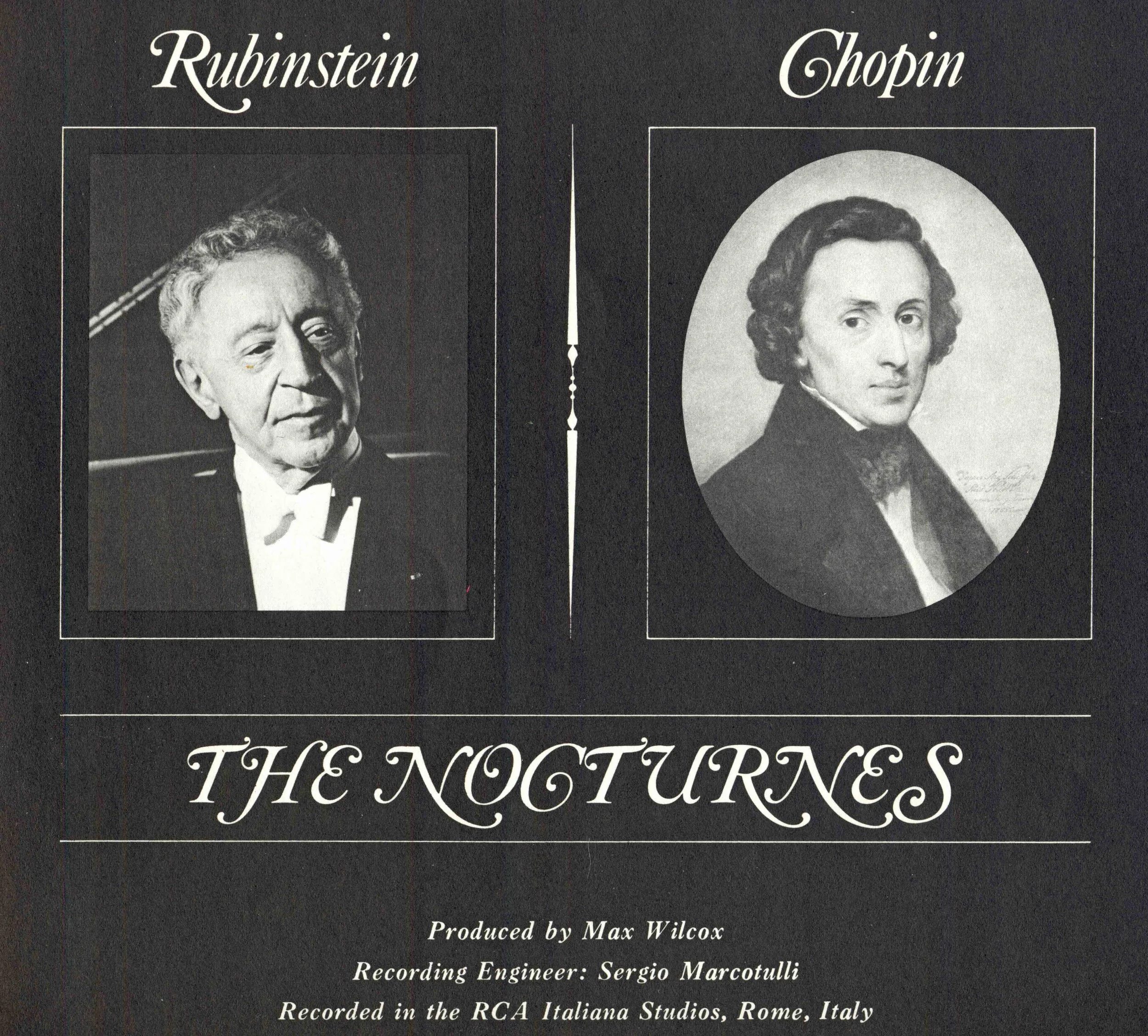
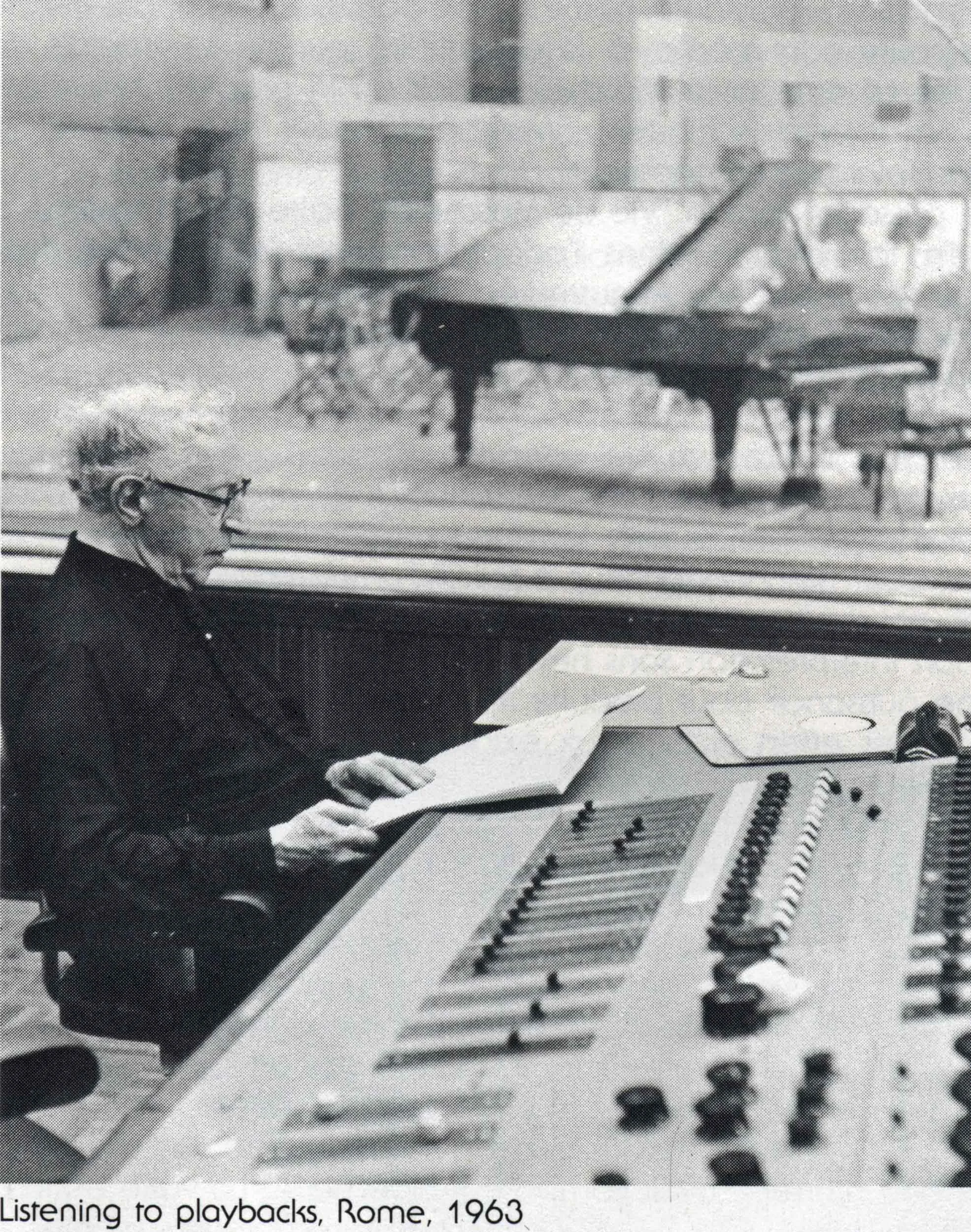
As a sound engineer, Sergio Marcotulli quickly earned an excellent reputation in this field. As early as 1963, he had recorded the Chopin waltzes with Arthur Rubinstein, working alongside producer Max Wilcox. For the pianist, then 76 years old and living in Paris, recording in Rome rather than New York was a welcome relief. The American RCA producer Max Wilcox took over as Rubinstein’s producer in mid-1959, succeeding John Pfeiffer.
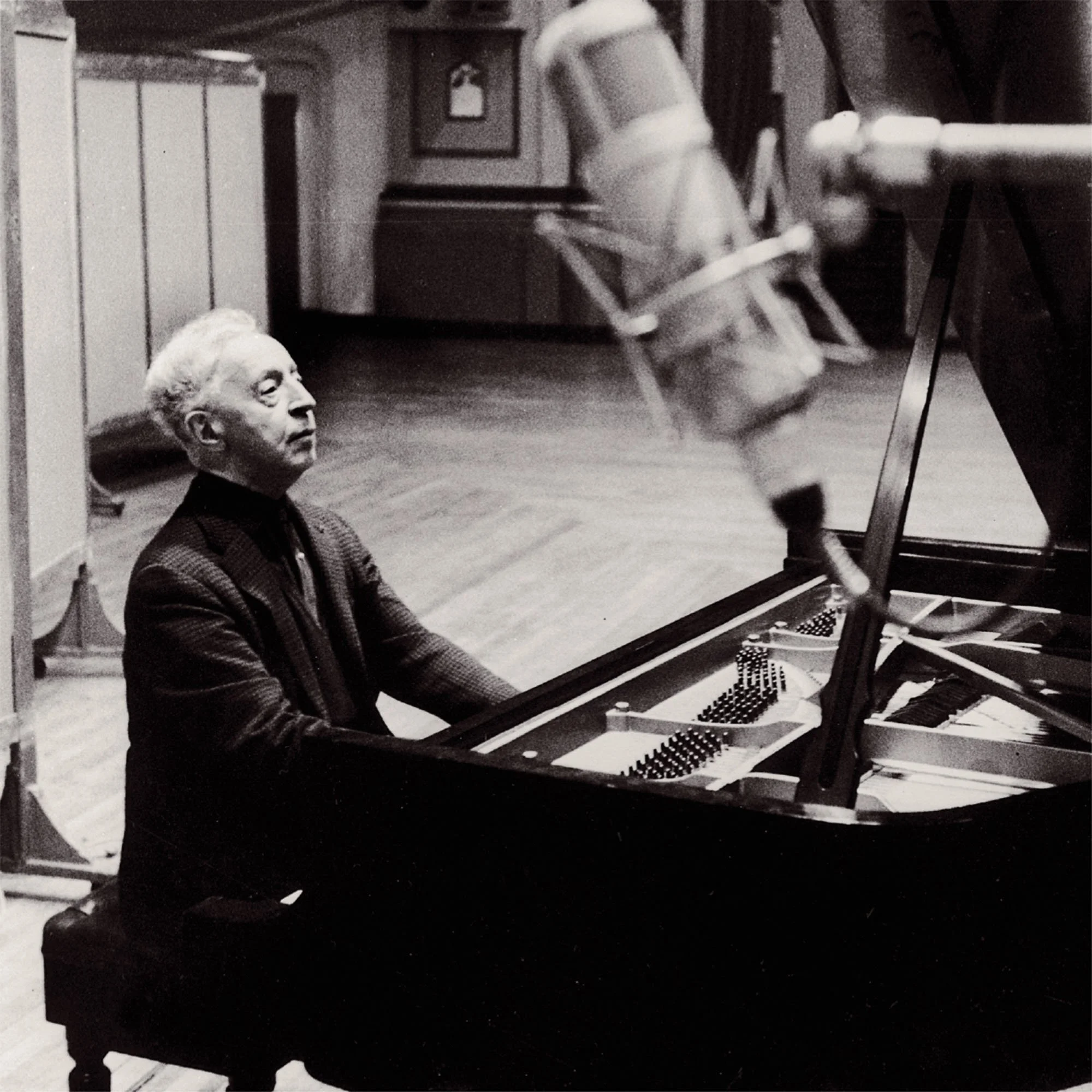
For the recording of the Nocturnes, three Neumann U47 microphones were positioned along the long side of the Steinway grand piano, a few meters apart and at a height of about three meters - as was customary for RCA Living Stereo (see photo). The large space of Studio A was enclosed by acoustic baffles around the grand piano. Over four days, from August 30 to September 2, 1965, the recording was made via an in-house RCA mixing console directly onto Ampex three-track machines at a tape speed of 78 cm/s. On February 21, 1967, another session took place during which Op. 55 No. 2 was re-recorded or recorded subsequently.
Since this was a production by the American label RCA, the three-track master tapes were sent to the United States. There, stereo production masters were created. At that time, RCA had developed the controversial Dynagroove process: a method that added dynamic compression - a variable loudness process with a continuously shaped frequency response - and additionally fed in a pre-distorted signal intended to counteract the typical distortions of mechanical sampling systems. This complex process was advertised as “possibly the most revolutionary development since the invention of the LP.” It was only advantageous on simple players with round needles and is rightly considered a failed development today.
In addition to the limitations imposed by Dynagroove, piano recordings in particular place exceptionally high demands on analog technology. Fading chords reveal even the slightest variation in speed synchronization - whether from the tape machine, the tape copy, or the cutting machine during lacquer disc cutting - but above all from imperfect centering or an uneven surface on the finished record. Added to this are the extreme impact impulses of the hammers on the strings as well as the instrument’s enormous dynamic range. Ultimately, a grand piano is a percussion instrument. Furthermore, RCA was not a model of manufacturing quality, and its in-house “Miracle Surface” formula offered no reliable protection against crackling pressings. RCA US records did not meet the quality standards of competitors such as Decca or Deutsche Grammophon. In this context, a master tape copy promises significant sonic advantages.
An original US pressing (White Dog label) sounds rich in tonal color, full-bodied, and with a wide soundstage, featuring powerful bass and rounded highs, despite noticeable crackling. It lacks optimal transparency and has limited dynamic range. In loud passages, it exhibits slight distortion artifacts and is not perfectly centered on all sides, leading to audible tremolo in places.
In the early 1980s, producer Max Wilcox drew on the 3-track master tapes for the first time as part of the initial Rubinstein collection. The tapes, digitized at 16/44.1, were carefully equalized to balance the frequency responses of the microphones. For the Nocturnes, he used exclusively the two outer microphone tracks to achieve a sound with less emphasis on the midrange. Pressed in Germany using DMM technology on virtually flawless vinyl, it is an interesting alternative: less of a “beautiful” sound, but a clearer and lighter one, which, however, loses some of its color and atmosphere.
In 1999, a new Rubinstein complete works collection was released on 94 CDs (expanded to 142 CDs in 2006). Once again, the master tapes were used, and this time they were digitized using more modern AD converters with 20-bit technology. The new remasters were created using all three channels. Sonically closer to the original, they offer expanded dynamics and all the advantages of the compact disc. A further remaster using DSD technology from 2010 brings out even more detail from the tapes, but once again loses some of the beauty of the sound. In this respect, the first pressing of the LP—despite all its limitations—remains unmatched.
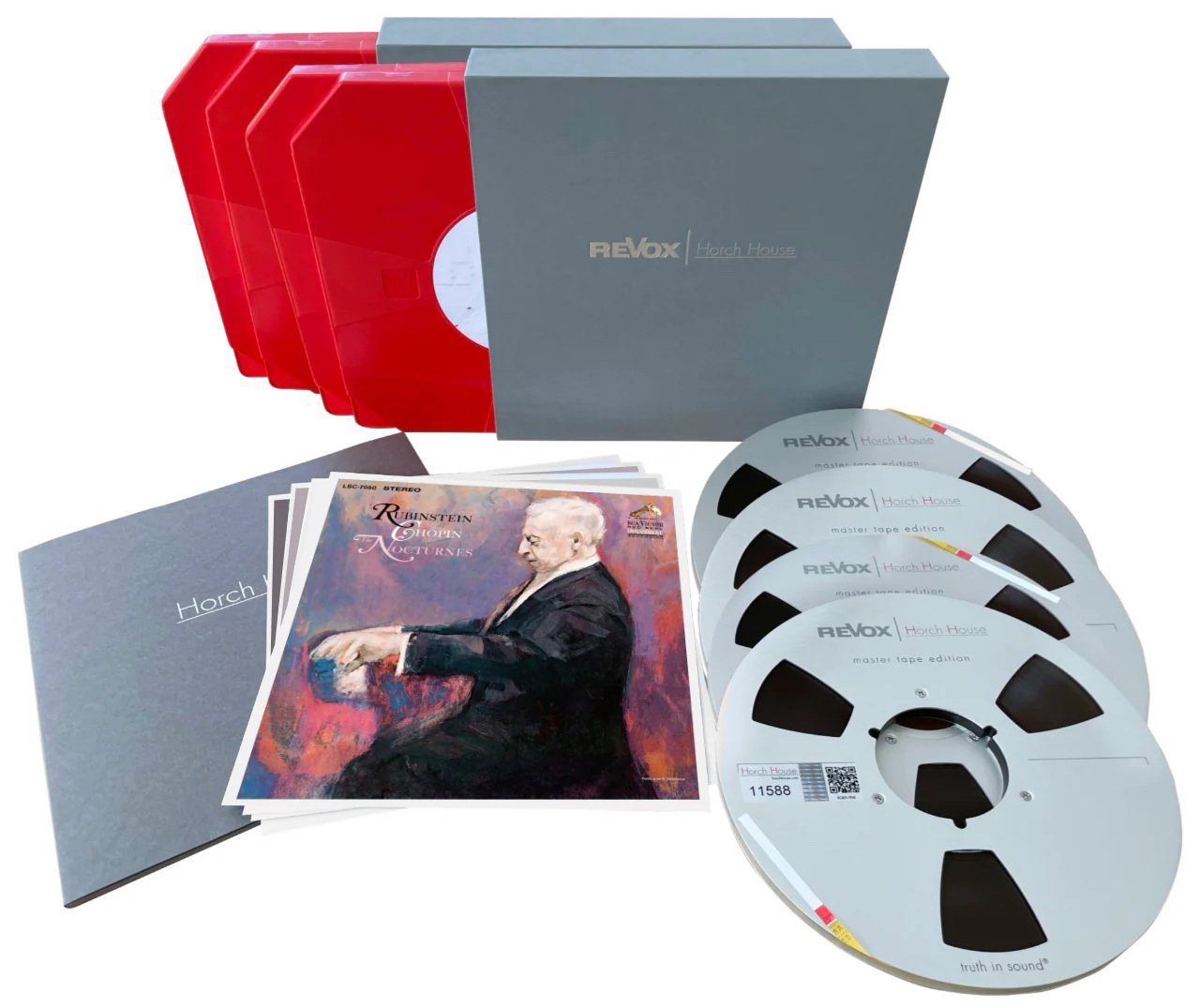
The REVOX Horch House master tape copy marks the first time a high-quality edition of the original master tapes, produced entirely using analog methods, has been made available (in 1967, there was an RCA four-track stereo tape recorded at 3¾ ips). Based on an analog stereo mixdown of the three-channel master tapes, Christoph Stickel created the remaster for this REVOX Horch House release. In theory, the digital copy is closer to the original master than the third-generation tape in the present case. But where do the sonic differences lie? The master tape copy - played back on optimally tuned machines in Claus Müller’s listening room (Telefunken M15 and Studer A807) - offers the same stability in tracking and in the definition of the touch. The slight limitations of the RCA recording, such as minimal harmonic distortion during loud passages and less-than-perfect pitch stability, are equally evident in both media. The opulently recorded piano spreads far across the soundstage; the full, powerful tones seem to float between the speakers. There is no clearly defined image of a grand piano in the room here - the recording team at the time deliberately chose this sonic aesthetic. The reproduction gains in naturalness from the master tape copy. Christoph Stickel has succeeded in finding an even more balanced equilibrium between sonic beauty and richness of detail. For the experienced tape-recorder listener, the effect that emerges in a direct comparison is all too familiar: the fascinating magic of magnetic transmission reveals itself once again!
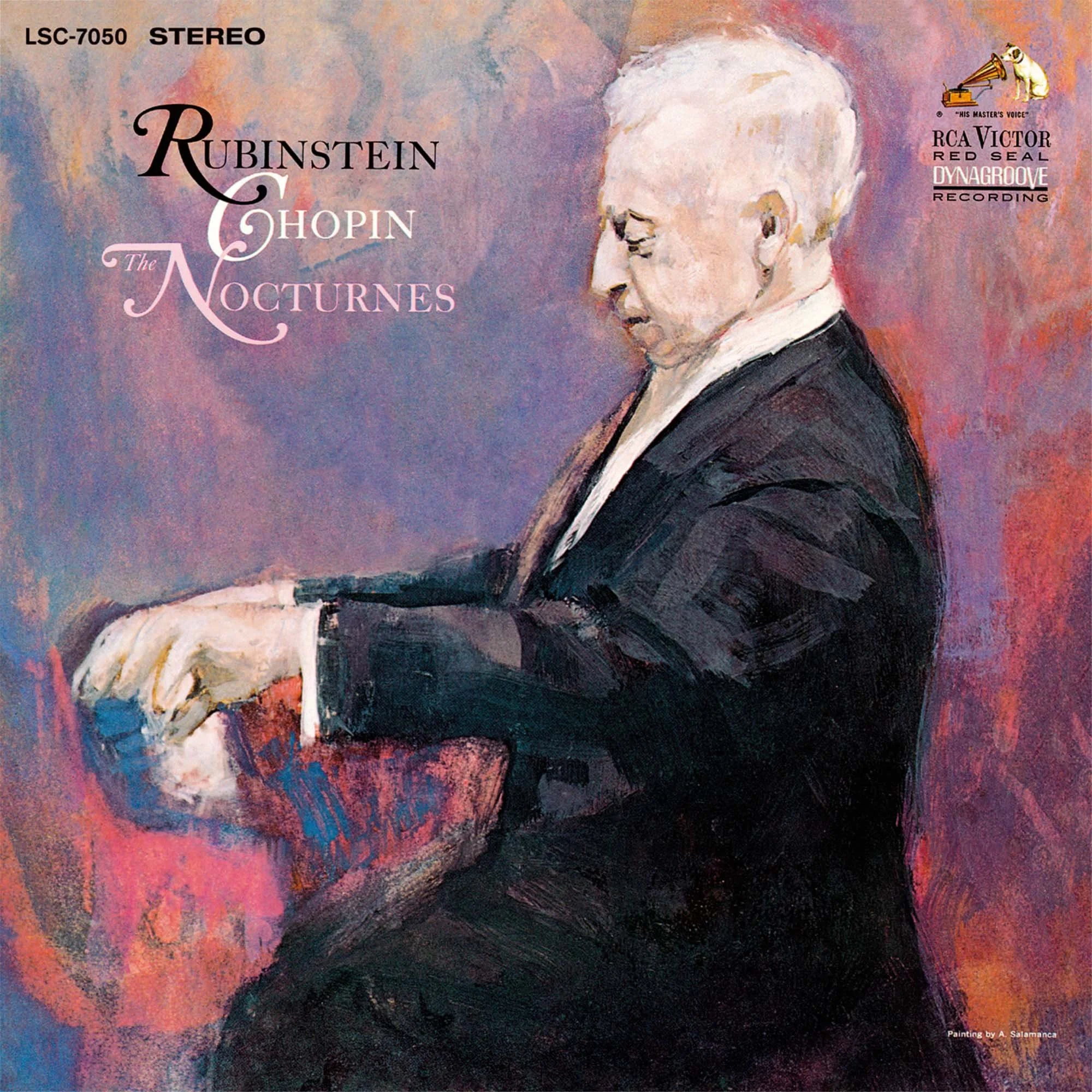
The album cover features a mirrored section of the acrylic painting “Rubinstein Concerting” by Antonio Salamanca.
Translated from German with DeepL.com (free version)
Frédéric Chopin
The Nocturnes
Arthur Rubinstein
Publisher: REVOX Horch House
Playing time: 108 min
Specifications: half track ¼", stereo, RTM LPR90, CCIR, 320 nWb/m, 38 cm/s
Reel(s): 2 standard metal reels, printed, with stickers
Packaging: 2 plastic archive boxes, with stickers, 1 cardboard slipcase
Inserts: 1 insert folder with 3 insert sheets and 2 photo prints
Homepage: https://www.horchhouse.com/

Music:

Interpretation:

The entire content and the individual elements of the web page are the intellectual property of Claus Müller and are subject to copyright protection. The text of this review is the intellectual property of Felix Hennevogl. The contents may not be copied or imitated in whole or in part by the user; this applies to texts, logos and image components. Any modification, duplication, distribution or reproduction of the website or parts thereof, in any form whatsoever, is not permitted without the prior written consent of Claus Müller or Felix Hennevogl (for the text of this review).
Der gesamte Inhalt und die einzelnen Elemente dieser Webseite sind geistiges Eigentum von Claus Müller und unterliegen dem Schutz des Urheberrechts. Der Text dieser Rezension ist geistiges Eigentum von Felix Hennevogl. Die Inhalte dürfen vom Nutzer weder kopiert noch im Ganzen oder in Teilen imitiert werden; dies gilt insbesondere für Texte, Logos und Bildbestandteile. Jegliche Veränderung, Vervielfältigung, Verbreitung oder Wiedergabe der Webseite sowie Teilen hiervon, gleich welcher Art, ist ohne vorherige schriftliche Zustimmung von Claus Müller oder Felix Hennevogl (für den Text dieser Rezension) nicht zulässig.